Author Archives: BIeditor

Ruptured Silicone Breast Implants Linked to Debilitating Diseases

By Rachael Flynn, MPH and Diana Zuckerman, Ph.D.

Are Your Breast Implants Making You Sick- (2)

The first study to systematically evaluate the health of women with ruptured breast implants has raised serious concerns about silicone implants. A team of scientists led by Dr. Lori Brown of the Food and Drug Administration (FDA) reported that women whose ruptured breast implants leaked silicone outside the scar tissue surrounding the implant were significantly more likely to have been diagnosed with fibromyalgia (a painful soft-tissue disease), pulmonary fibrosis, and connective-tissue diseases such as dermatomyositis.

Magnetic resonance imaging (MRI) was used to examine the status of the breast implants of the women participating in the study. Based on the implant’s condition, researchers assigned cases to three groups: intact, ruptured, or indeterminable. (Those implants that appeared ruptured but were not able to be confirmed, were classified as indeterminable.) Radiologists also determined which ruptured cases had silicone that migrated outside of the scar capsule that surrounds the breast implant. A majority of the women had at least one ruptured implant, even though they were often unaware of that condition. Also, 21% had silicone that migrated outside of the breast area from at least one broken and leaking implant.

Women with ruptured implants where the silicone had traveled outside of the scar tissue were compared to women in the intact and indeterminable groups; investigators found an increase in fibromyalgia, dermatomyositis, polymyositis, Hashimoto’s thyroiditis, pulmonary fibrosis, eosinophilic fascitis, and polymyalgia. The significant association with fibromyalgia remained even after controlling for patient’s age, implant age, location, and manufacturer. Therefore, once the silicone from a broken implant migrates outside of the breast area, the woman’s risk for these serious diseases increases considerably.

This study raises serious concerns for women with ruptured implants, because it indicates that women who are unaware that an implant is ruptured and leaking could be at increased risk for health problems due to their exposure to silicone.

The study evaluated 344 women with silicone gel implants who had not sought to have their implants removed, and who were contacted from a list of patients from two medical practices. They were selected from a sample of 907 augmentation patients for a study designed to determine the percent of implants that are ruptured in the population of women who had not sought treatment for problems with their implants; 70 women who had their implants removed were excluded from the original sample of women, as were women with saline implants. Eighty-one percent of the women who were invited to participate in the study accepted.

This study is the third to be published in May 2001 with findings that indicate potentially serious health risks for women with breast implants. The other studies, conducted by scientists at the National Cancer Institute, found a 21% overall increased risk of cancer for women with implants and a 100% or more increase in mortality from brain tumors, lung cancer, other respiratory diseases, and suicide.

FDA Study:
Brown SL, Pennello G, Berg WA, Soo MS, Middleton MS. Silicone Gel Breast Implant Rupture, Extracapsular Silicone, and Health Status in a Population of Women. The Journal of Rheumatology 2001;28:996-1003.

NCI Studies:
Brinton, LA, Lubin, JH, Burich, MC, Colton, T, and Hoover, RN. Mortality Among Augmentation Mammoplasty Patients, Epidemiology 2001; 12: 321-326.

Brinton, LA, Lubin, JH, Burich, MC, Colton, T, Brown, SL, and Hoover, RN. Cancer Risk at Sites Other Than the Breast Following Augmentation Mammoplasty. Annals of Epidemiology 2001;11: 248-256.

Government Studies Link Breast Implants to Cancer, Lung Diseases, and Suicide

By Diana Zuckerman, Ph.D. and Rachael Flynn, MPH

Two major new studies raise questions about the long-term safety of breast implants. A team of researchers led by Louise Brinton, Ph.D., of the National Cancer Institute (NCI) published these studies on the long-term health effects of breast implants. One of the studies found that women with breast implants are more likely to die from brain tumors, lung cancer, other respiratory diseases, and suicide compared to other plastic surgery patients. The other study found a 21% overall increased risk of cancer for women with implants, compared to women of the same age in the general population.

These studies are the first to look at all types of cancer and all causes of death among breast implant patients. While the authors were not able to determine whether implants caused these illnesses, the results show a doubling of brain cancer and a tripling of lung cancer, emphysema, and pneumonia for women with implants. Even though these findings were described as “unexpected,” they are consistent with previous research that shows brain abnormalities and lung problems related to breast implants. There was also a four-fold increase in suicide for breast implant patients, which seems to contradict the manufacturers’ assertion that implants improve a woman’s feeling of self-worth.

Why are these results so different from widely reported claims that breast implants do not cause any diseases? One reason may be that the women included in the studies all had implants for at least eight years. Previous research included women who had only had breast implants for a year or two, or even a few months. Therefore, these new studies are the first examine the long-term health effects of breast implants. Unfortunately, even though diseases may take much longer than 8 years to develop and be diagnosed, the findings from these well-designed studies indicate a potentially serious risk for the health of women with breast implants.

Another possible reason for this difference is that plastic surgeons and the implant manufacturers helped design and fund much of the previous research on implants; these groups have a tremendous financial stake — billions of dollars — in the outcome. Perhaps that is why so many previous studies focused on just a few, rare diseases, rather than a more comprehensive evaluation of the women’s health.

Study Design
The comprehensive studies started with the same group of nearly 13,500 women from 6 different geographical regions in the U.S. Information was gathered from patient questionnaires and medical records. Both studies compared women with implants to women who underwent other forms of plastic surgery as well as the general population of women the same age. In general women with implants were healthier than women in the general population, but less healthy than other plastic surgery patients. The latter is a more appropriate comparison because all plastic surgery patients tend to be more affluent than the general population, and more affluent women tend to live longer.

More Research Needed
More independent research, funded by the federal government, is needed to determine why breast implants are linked to cancer and other fatal diseases in these new studies. In addition, these two studies need to be continued to see whether the results change as the women (and their implants) age. Since approximately 2 million women in the United States already have breast implants and another 300,000 are planning on getting them this year, research on the long-term health effects is long overdue.

The new studies are:
Brinton, LA, Lubin, JH, Burich, MC, Colton, T, and Hoover, RN. Mortality Among Augmentation Mammoplasty Patients, Epidemiology 2001; 12: 321-326.

Brinton, LA, Lubin, JH, Burich, MC, Colton, T, Brown, SL, and Hoover, RN. Cancer Risk at Sites Other Than the Breast Following Augmentation Mammoplasty. Annals of Epidemiology 2001;11: 248-256.

Complications of Saline Breast Implants

Download PDF Version

Updated February 2008

Complications of Saline Breast Implants:
What You Should Know Before You Decide on Reconstruction

By Elizabeth Nagelin-Anderson, M.A. and Diana Zuckerman, Ph.D.

How risky are breast implants? This is a controversial question, but implant manufacturers have done research showing that local complications, including pain, rupture, and the need for additional surgery, are very common within the first three years.

The FDA required breast implant manufacturers Mentor Corporation and Inamed Aesthetics (formerly called McGhan) to conduct research on the complications of saline breast implants for breast reconstruction and breast augmentation patients. The purpose of this research was to provide women with information so that they can make a more informed decision about whether or not they want saline breast implants. This information is supposed to be made available by plastic surgeons to all patients before they make their decision. The studies did not include diseases or conditions such as cancer, lupus, or fibromyalgia.

This issue brief is based on the FDA’s analyses of data collected by Mentor Corporation and Inamed Aesthetics. It is based on research, not opinion. The 3-year data were analyzed by the FDA in 2000 and the 5-year data were analyzed in 2002. This fact sheet is only about reconstruction patients.

Mentor Saline Implants
Mentor conducted a 5-year study on reconstruction patients. Unfortunately, so many women (almost 60%) dropped out of the study before the five years were completed, that the information is not reliable. For that reason, we are only providing the information collected during the first 3 years after getting implants, which included 78% of the patients.

Important Points from the Mentor Data

• Most women can expect at least one complication within the first 3 years.
• 40% of reconstruction patients can expect to have additional surgery within the first 3 years.

Mentor Reconstruction Patients 3-Year Complication Rate
Reconstruction patients experienced the following problems within the first 3 years of receiving their implants:

40% Needed another operation
30% Capsular contracture (hardening of breast)
28% Asymmetry (breasts look different from each other)
27% Implant removal
20% Wrinkled appearance of breast
17% Breast pain
9% Infection
9% Implant leaks/deflates
8% Irritation/inflammation
6% Delayed wound healing
6% Seroma (watery portion of blood collects around implant or incision)
5% Scarring complications
2% Extrusion (implant comes through the skin)
2% Necrosis (death of skin or tissue)
1% Hematoma (blood collects around implant)
1% Position of implant changes

Loss of nipple sensation is not listed since nipples are removed during mastectomy.

Only 78% of the reconstruction patients who originally enrolled in the study completed all 3 years. Women who had their implants removed, and women who left the study for any reason were not followed. Complications were measured up until a woman left the study, but percentages were based on the total number of women who started the study. So, the complication rate is actually even higher.

Inamed Saline Implants
Inamed, formerly called McGhan, conducted a 5-year study on breast reconstruction patients. They collected information at the 3-year point from 71% of the reconstruction patients who originally enrolled in the study.

At the 5-year point they collected information from 57% of the reconstruction patients. This is a problem, since no information is available for 43% of the patients. Women who had their implants removed, and women who left the study for any reason were not followed. Complications were measured up until a woman left the study, but percentages were based on the total number of women who started the study. So, the complication rate is actually even higher, and the 3-year data are more reliable than the 5-year data.

Important Points from the Inamed Data

• Most women can expect to experience at least one complication at some point within 5 years after implant surgery.

• 40% of reconstruction patients can expect to have additional surgery within the first 5 years.

Inamed Reconstruction Patients 3-Year and 5-Year Complication Rates
Reconstruction patients experienced the following complications during the first three years and first five years after surgery.

3 Year 5 Year
39% 45% Needed another operation
33% 39% Asymmetry (breasts look different from each other)
25% 36% Capsular contracture (hardening of breast)
23% 28% Implant replacement/removal – any reason
20% 27% Implant can be felt or seen
23% 25% Wrinkled appearance of breast
15% 18% Breast pain
12% 17% Implant is in a bad position
6% 8% Implants leaks/deflates
7% 7% Irritation/inflammation
6% 6% Intense skin sensation
6% 6% Scarring complications
5% 6% Infection
5% 5% Calcium deposits form around implant
4% 4% Seroma (watery portion of blood collects around implant or incision)
4% 4% Skin/tissue necrosis (death of skin or tissue)
3% 3% Delayed wound healing
3% 3% Implant extrusion (implant comes through the skin)
3% 3% Skin Rash
1% 1% Hematoma (blood collects around the implant)

Loss of nipple sensation is not listed since nipples are removed during mastectomy.

Most complications for Inamed patients through the first 5 years are similar to those reported after the first 3 years. Since it is well known that some complications, such as rupture and capsular contracture, increase over time, women with complications were apparently more likely to leave the study than those who continued. Some of these women have left their plastic surgeons and could not be contacted.

References:

http://www.fda.gov/cdrh/breastimplants/labeling/mentor_patient_labeling_5900.html#_Toc20548932

http://www.fda.gov/cdrh/breastimplants/labeling/Inamed_patient_labeling_5900.html#_Toc20904704

If You’re Having Problems

Are Your Breast Implants Making You Sick- (2)

Are you having problems that might be related to your breast implants? Sometimes it’s hard to know. Here are some common complications.

Capsular Contracture:
Almost every woman with breast implants has scar tissue surrounding her implants. This scar capsule doesn’t show — it’s inside her breast, and is her body’s natural way of protecting her from a foreign object. Sometimes, however, that capsule is too tight for the implant. Capsular contracture is when the capsule is too tight and feels like it is squeezing the implant.

• It can happen with either saline or silicone gel breast implants
• It can be slightly uncomfortable or very painful
• It can change the shape of your breast, or make it look round and unnatural
• You may need surgery to fix it
• Once it is surgically fixed, it is likely to happen again

Symptoms such as: Could mean:

pain in the breast, breasts look different from each other, breast feels firm or very hard, breasts look like round balls
capsular contracture

This condition will not usually get better by itself. If it is very painful or hard, it will require surgery to remove the scar tissue capsule and perhaps the implant. Some of your own breast tissue might get mixed in with the capsule, and you might lose some of your natural breast. Many insurance companies will pay to have your implant removed if a woman has Baker Grade III or IV contracture, which are the most severe types, because when implants are that hard they are especially likely to interfere with mammography and the detection of breast cancer.

Rupture:
The implant is covered with a silicone envelope, which can tear or break. A rupture can be caused by a defect in the implant, daily stresses on the implant, an accident or other trauma, an accidental cut during implant surgery or biopsy, or the aging of the implant.

• Ruptured saline implants usually deflate quickly.
• A silicone gel leak or rupture can go unnoticed, even for a period of years.

Symptoms may include: Could mean:

decreased breast size, uneven size of breasts, pain or tenderness, tingling, swelling, numbness, burning, changes in sensation, lumps

silicone gel-filled implant rupture

chest pain, breast rash, change in size of breast
saline implant rupture


The older implants are, the more likely they are to break or leak. Although implants can rupture at any time, the FDA found that most rupture by the time they are 10 years old.

Aside from surgery, the best way to confirm a rupture is with an MRI, or perhaps an ultrasound. These methods require a trained eye to see a leak or rupture. A mammogram is not accurate enough to find a rupture or leak.

Most insurance companies will not pay to have a ruptured implant removed, especially if the implants were for augmentation. Reconstruction patients have an easier time obtaining insurance coverage for removal of implants, but will need to prove the implant is ruptured, with an MRI or other test.

Most experts agree that ruptured implants should be removed as soon as possible, especially if it is a silicone gel implant. Silicone gel can leak from the implant into healthy breast tissue and go other parts of your body, such as the lungs and lymph nodes, where it could be impossible to remove.

Some women with leaking silicone breast implants have had to have all their own breast tissue removed because the silicone moved throughout their breast. The result is a mastectomy, not because of cancer but because of silicone.

Many doctors believe that silicone is harmless, and may tell women with ruptured implants that they do not need to have them removed. However, it has been conclusively proven that silicone gel from a broken implant can leak out and cause permanent damage to healthy breast tissue or skin. In addition, the FDA found that women with leaking silicone implants are more likely to report several serious, debilitating illnesses, compared to women whose implants have not broken.

For more information or personal stories, click here.

Infection:
As with any surgery, infections can happen. Most infections appear shortly after surgery, within a few days or weeks. The most serious infections can cause toxic shock syndrome and can be fatal or result in gangrene. If the infection is very serious, the implant will need to be removed to treat it, and can be replaced after the infection has cleared up.

All implants, including breast implants, attract bacteria.

If a saline implant is no longer sterile, it might cause an infection when it breaks. Bacteria, mold, and fungus can grow inside saline implants.

Symptoms may include: Could mean:
pain, redness, or fever
Infection

Disease and Serious illness:
Everyone agrees that implants can cause local complications, such as those listed above. There is much more controversy about whether it can cause diseases or disorders. Some women can have implants for many years and never have any problems, but as the years go by, many women with implants become seriously ill. Common symptoms include joint pain or stiffness, memory problems, trouble concentrating, fatigue, flu-like symptoms that don’t go away, or pain throughout the body (fibromyalgia). Auto-immune diseases such as rheumatoid arthritis, lupus, and scleroderma are also problems among women with implants. Are these symptoms caused by implants, are women who are susceptible to these illnesses more likely to get them if they have breast implants, or would these women have become ill even if they didn’t have implants?

Research has not yet answered those questions. Women with implants are more likely to have these diseases and symptoms in some studies, but not others. The Institute of Medicine (IOM) summarized 17 epidemiological studies that attempted to answer this question, but unfortunately, most of the studies included relatively small numbers of women who had implants for very short periods of time. Longer-term studies conducted after the IOM report have found some risk of diseases among women with implants. That is why the IOM study is not proof of implant safety. For more information on the IOM study, please click here >

What studies suggest that implants cause diseases? A study by FDA scientists found that women with leaking silicone gel implants were more likely to develop fibromyalgia and several other painful diseases than women with implants that were not leaking. This study is described in more detail, click here >

In the only study of women with rheumatology symptoms who had their implants removed, doctors found that 97% of women with pain and other rheumatology symptoms felt better after their breast implants were removed and not replaced. Many symptoms lessened or disappeared over the next few months. In contrast, 96% of the women who did not have their implants removed became even more ill. This study was conducted by a physician (Dr. Noreen Aziz) at the University of South Florida Colleges of Medicine and Public Health, who now works for the National Cancer Institute.

Studies published in 2001 by other scientists at the National Cancer Institute raised questions about the long-term safety of breast implants. Unfortunately, many doctors are not aware of these recent studies. One study found that women who had breast implants for at least eight years were twice as likely to die from brain cancer, three times as likely to die from lung cancer or other respiratory diseases, and four times as likely to commit suicide, compared to other plastic surgery patients. A second study found that women with breast implants for at least eight years were 21% more likely to be diagnosed with cancer compared to other women their age.

More large, long-term, studies of women who have had implants for 10 years or more need to be conducted in order to find out if these risks of cancer or death increase or decrease when women are studied for longer periods of time.

These are some of the diseases that need to be carefully studied among women with implants, to see if women with implants are at greater risk:

Symptoms may include: Could mean:
dry mouth, dry eyes, persistent cough
Sjogren’s syndrome
joint discomfort, pain, stiffness, swelling
Rheumatoid arthritis
chronic fatigue
Chronic fatigue syndrome
difficulty swallowing or breathing
esophogeal immotility
memory impairment
neurological impairment
muscle weakness, walking problems, tremor, muscle spasm, slowed ability to think, poor memory
MS – Multiple Sclerosis*
muscle pain, stiffness, unusual fatigue
fibromyalgia
strong allergic reactions
chemical sensitivity
white or blue fingers and/or toes in the cold
Raynaud’s syndrome
excessive hair loss
an autoimmune response
hardening of skin
Scleroderma
achy or swollen joints, extreme fatigue, skin rashes, anemia, sensitivity to sunlight, kidney involvement, fever
Lupus

* Women with implants have been known to experience MS-like symptoms and have been misdiagnosed as having the disease when they do not.

If Your Implant Breaks

All breast implants will break. Some even break during the first few months, but  the older your implant is, the more likely it is to break. However, it is not always obvious when an implant is broken. Here is some useful information.

When a saline breast implant breaks
When saline (salt water) breast implants break, it will probably leak very quickly. When this happens, the implant ‘deflates,’ much like a balloon that has lost the air inside. Your breast will change in size or shape. It’s less common for saline to leak slowly, although it can happen. When the saline leaks, the body absorbs it. It’s usually harmless, unless there is fungus or bacteria inside the implant, which can cause a serious infection.  You should go to a doctor right away to see if you need antibiotics.

How do I know if my saline breast implant has broken?
Saline implant ruptures are usually obvious. You should be able to see the difference in the size or shape of your breast. You won’t need an MRI or sonogram, and be sure not to get a mammography because the pressure can cause the implant to break.

When a silicone breast implant breaks
When a silicone gel breast implant breaks, the contents usually leak very slowly. A ruptured silicone gel implant may not be obvious for many years. Sometimes the rupture is discovered only when the implant is removed.

When a silicone implant breaks, one of two things can happen. If you are lucky, the leaking silicone will stay inside the capsule, which is the thick layer of scar tissue that naturally grows  around the implant. When this happens, the silicone stays where it is.

However, the silicone can leak outside of the scar tissue capsule. When this happens, silicone can migrate to other parts of the body, including the lymph nodes under the arm and major organs such as the lungs where, it is impossible to remove. The longer a woman waits to have a ruptured silicone gel implant removed, the more time the silicone has to leak inside  her body.

How do I find out if my silicone implant has ruptured?
If your silicone gel implant ruptures, you might notice a change in the size or shape of your breast.  Or you might feel pain or tenderness, swelling, numbness, burning or tingling. It is also possible to have a ‘silent rupture,’ where you don’t have any symptoms at all and you don’t realize that your implant has broken.

Since most women don’t notice when a silicone gel implant breaks, it is important to have an MRI to check for leakage. A mammogram is not accurate and the squeezing could make the contents of the implant leak outside the scar capsule.

Can broken implants make me sick?
According to the FDA’s research, women with leaking silicone implants are more likely to report fibromyalgia (which causes body pain) or several other diseases. There is no research on the health risks of broken saline implants.

What do I do if my implant breaks?
Most experts agree that it is important to remove a ruptured implant as soon as possible, especially if it contains silicone gel. Removal of implants is called explantation.

Usually a ruptured saline implant is harmless, unless the saline contains bacteria, mold, or fungus, which can happen inside a woman’s body. If your implant has broken, and you feel sick, have a temperature, and/or a rash, you should see a doctor immediately. You could have an infection and antibiotics might be all you need to get well.

However, if you have ruptured silicone gel implants, they should be removed as soon as possible. The longer the silicone is allowed to remain in the body, the more time it has to migrate to other parts of your body, like lungs or lymph nodes, where it can’t be removed. Unfortunately, nobody knows for sure what will happen as a result of a lot of leaking silicone in the body.

Everybody is different. Some women do not respond strongly to silicone. Others become very, very ill.

Explantation surgery
If your implant is not broken, most doctors will not want to remove them. However, women who get very ill as a result of breast implants often fnd that their health improves after removal. A study of removed implants that were not replaced by Noreen Aziz and her colleagues found that 97% of women with pain and other rheumatology symptoms felt better after their implants were removed and not replaced. Many symptoms lessened or disappeared over the next few months. In contrast, 96% of the women who did not have their implants removed became even more ill.

It can be easy or difficult to remove breast implants, but it is almost always more complicated to remove a silicone gel implant than it was to put it in. This is especially likely if the implant has ruptured, because it’s important that silicone gel from a broken implant does not spill or remain in the body.

The surgeon who performed your original surgery is not always the best choice for removing the implants. Explantation results can be excellent or disastrous. Some cosmetic surgeons are very experienced at putting implants in, but not at taking them out.

However, there are some plastic surgeons who are very experienced at removal and are skilled at getting the best possible cosmetic result. The surgeon you choose should be experienced with explantation, board certified, and should be willing to show you pictures of what the patients looked like after their implants were removed, or better still, offer to have former patients talk to you. Find out if they were happy with their doctor and with their results.

Make sure that when your implants are removed, the scar tissue capsule is also removed, because it might contain bacteria or chemicals from the implants.

Most experts believe that removing the implants ‘en bloc’ is very important. This means that the entire implant and the entire scar tissue capsule surrounding it are all removed together. Removing implants en bloc makes it easier to remove any silicone that leaked from a broken gel implant, and also helps remove silicone or other chemicals that may have bled from the silicone outer envelope. You should ask your doctor if he or she has experience doing an en bloc removal.

Removing implants en bloc is especially important if you have been sick since receiving your implants. Some experts believe that symptoms such as joint pains, chronic flu-like symptoms, memory loss, confusion, or a burning sensation could be a result of silicone that has leaked from your implant, and perhaps outside the scar tissue capsule. If this is the case, leaving the scar tissue capsules, or part of them, and/or silicone in your body probably isn’t going to let you recover as well as you might. It is also possible that while the silicone did not make you sick before, silicone that is left behind in your body could make you sick later, because your body will react this foreign material.

What happens if I remove my implants and don’t replace them?
Some surgeons discourage patients from removing their implants without replacing them, because they believe implants are safe and because they’re concerned that the patient will be very unhappy with her appearance after the implant is removed. The breast tissue stretches from the implant, and if the surgeon isn’t skilled in explantation without replacement, the breast is unlikely to be as attractive as it was before the implant surgery.

If the surgeon is not skilled at removing ruptured implants, the silicone can spill into healthy breast tissue, which then may need to be removed as part of the surgery. However, after an experienced explant surgeon removes implants, many women are very pleased with the way their breasts look and feel.

Want your Breast Implants Removed- (2)

The Facts About Breast Implants

What exactly are breast implants?
Breast implants are silicone envelopes filled with a liquid or gel. They are used to increase the size of a breast or to replace a breast that was removed because of breast cancer.

Most breast implants in the U.S. are filled with saline (salt water). The envelope is made of silicone and also contains other chemicals. So even if you get saline implants, you will still have some silicone in your body.

Breast implants filled with silicone gel were approved by the FDA for the first time in 2006, but only for women ages 22 and older. The FDA has not approved silicone gel breast implants as safe for augmentation for women under the age of 22 because of safety concerns.

If implants are filled with anything other than saline or silicone, they are experimental. You are taking a bigger risk if you try them. Unless you want to be a guinea pig, don’t be fooled by stories about how they are “very popular in Europe.” They aren’t.

Breast implants vary in their surface (smooth or textured), shape (round or shaped), profile (how far it sticks out), volume (size), and shell thickness. Breast implants include an envelope or shell made of silicone, a filler, and a patch to cover the manufacturing hole.

Breast implants can break and rupture, which can cause a variety of serious health problems. Implants can break in a few weeks, a few months, or a few years, although some can last 15 years or more. According to the FDA, by the time a woman has had implants for 10 years, at least one of them has broken. So, anyone who gets implants should expect to have to replace them at least once every ten years. Many women have to replace them more often because they can cause other problems in addition to breaking, and the two implants may break at different times.

Think of it like you would think about buying a new car – usually a new car doesn’t cause problems at first, but causes more and more problems as it gets older. But some cars cause problems right away, and it’s not always possible to fix them. The difference is that breast implants are in your body, and if something goes wrong the only way to fix them is to pay for surgery. There is no way to know how long your breast implants will last or whether they will cause problems.

Teenagers and Cosmetic Surgery

Here are two articles in medical journals about the psychological and ethical issues for teenagers considering plastic surgery.

Published in Journal of Adolescent Health, October 2008

Teenagers and Cosmetic Surgery:
Focus on Breast Augmentation and Liposuction

By Diana Zuckerman, Ph.D and Anisha Abraham, M.D., M.P.H.

Two of the most popular and controversial cosmetic procedures for adolescents are liposuction and breast implants. It this review article, the procedures are discussed. In addition, the physiological and psychological reasons to delay these procedures, including concerns about body dysmorphic disorder and research findings regarding changes in teenagers’ body image as they mature, are described. The lack of persuasive empirical research on the mental health benefits of plastic surgery for teenagers is highlighted. Finally, the long-term financial and health implications of implanted medical devices with a limited lifespan are presented. Adolescent medicine providers need to be involved in improving informed decision making for these procedures, aware of the absence of data on the health and mental health risks and benefits of these surgeries for teenagers, and understand the limitations on teenagers’ abilities to evaluate risks.

____________________________________________________________________________

Commentary published in the online ethics journal of the American Medical Association
Virtual Monitor, March 2005.

Teenagers and Cosmetic Surgery

by Diana Zuckerman, PhD

In 2003, more than 223 000 cosmetic procedures were performed on patients 18 years of age or younger, and almost 39 000 were surgical procedures such as nose reshaping, breast lifts, breast augmentation, liposuction, and tummy tucks [1]. As we consider under what circumstances plastic surgery is appropriate for teens, it is important to recognize that very few studies have been conducted to examine the risks for teens of these increasingly common procedures. Research is especially needed for the more controversial procedures such as breast implants, liposuction, and genital plastic surgery.

There is no question that reconstructive surgeries can benefit children and youth. Surgical procedures to correct cleft lips and palates, for example, are not controversial. Plastic surgery to correct unattractive facial features that can attract ridicule from other children, such as prominent noses and ears, are generally accepted in the United States. Cultural phenomena such as surgical makeovers on numerous television programs, however, make it increasingly difficult to agree on what constitutes a “normal” appearance and when the desire to improve one’s appearance is questionable or even crosses the line to psychopathology [2]. In this commentary, I will focus on elective, cosmetic procedures on an otherwise healthy adolescent with no illness or defect.

Plastic Surgery in a Developing Teen
One of the concerns about plastic surgery on adolescents is that their bodies are still maturing. In addition to development that may occur in the late teens, growth charts indicate that the average girl gains weight between the ages of 18 and 21, and that is likely to change her desire or need for breast augmentation as well as liposuction. There are no epidemiological studies or clinical trials on the safety and long-term risks of these procedures for adolescents. Although the FDA approved saline breast implants for women ages 18 and older [3], it is legal for physicians to perform breast augmentation for anyone under 18 as an “off-label” use, and the number of teens 18 and younger undergoing breast augmentation tripled from 2002 to 2003. It was not until December 2004 that the American Society of Plastic Surgeons stated an official position against breast augmentation for patients under 18.

Understanding the Risks of Surgery
Will adolescents who want to improve their appearance rationally consider the risks? Studies by implant manufacturers report that most women have at least one serious complication within the first 3 years, including infection, hematomas and seromas, capsular contracture (a sometimes painful hardening of the breasts), loss of nipple sensation, and hypertrophic scarring [4]. Since breast implants typically last 10 years, an adolescent will require repeated surgeries throughout her lifetime [4]. Breast implants also interfere with mammography and increase the likelihood of insufficient lactation when a woman tries to breast-feed.

The economic costs of surgery are substantial, since corrective surgery is rarely covered by health insurance. With many plastic surgeons offering breast implants on the installment plan, our Center (National Research Center for Women and Families) is contacted regularly by young women who need to have a broken or painful implant removed but are still paying for the initial augmentation surgery and unable to afford corrective surgery.

Liposuction also carries potentially serious risks. Primary risks include infection, damage to skin, nerves, or vital organs, fat or blood clots (that can migrate to the lungs, leading to death), and excessive fluid loss that can lead to shock or death. In addition, the different techniques are associated with complications such as skin or deep tissue damage, lidocaine toxicity, and fluid accumulation in the lungs [5].

The long-term physical, emotional, and economic sequelae of many popular cosmetic surgeries, including implants and liposuction, are unknown. Despite the documented risks, the general public has an inflated sense of the benefits and a minimized sense of the risks of plastic surgery [6]. Teenagers are often oblivious to the well-documented long-term health consequences of smoking, tanning, and other risky behaviors, and are likely to pay even less attention to the risks of cosmetic surgery, making informed consent difficult.

In addition to the influence of persuasive and pervasive advertising and television makeover programs that stimulate demand, it is difficult for a physician to neutrally present both the risks and benefits of an elective procedure that he or she is simultaneously selling [7]. Requiring parental consent for patients under 18 does not ensure informed consent, since research is lacking on long-term risks for many cosmetic procedures.

Screening
One way to help ensure that teenagers are mature enough to make decisions about plastic surgery is to screen potential patients using psychological testing. In media interviews, plastic surgeons often describe careful interviews aimed at determining why the teen wants plastic surgery. Unrealistic expectations or having the surgery to please a boyfriend is considered inappropriate, but having surgery so that “I will feel better about myself” or “clothes will fit better” are considered reasonable responses. By the same token, teenagers who use drugs, drive while inebriated, and have unprotected sex may also make those decisions to please themselves, and not others, so that response alone is not sufficient evidence of a mature decision. Currently, there is no evidence that effective screening is widespread.

Teen Self-Consciousness and Plastic Surgery
Teens expect that plastic surgery will improve their self-confidence, but does it? There are no empirical studies examining the long-term benefits among adolescents. One study found that body-image satisfaction improved after cosmetic surgery, but so did satisfaction among the control group, suggesting that improved body image may occur with increasing age, regardless of whether the patient undergoes plastic surgery [8]. In fact, a longitudinal study that followed adolescents from age 11 to 18 found body image satisfaction rates were highest at age 18 in both sexes and that the satisfaction of individual participants varied as a function of their age and developmental stage [9]. This indicates that many adolescents who are very dissatisfied with their appearance will feel more satisfied a few years later, whether or not they undergo surgery. The same study also found that the physical features with which participants were most dissatisfied reflected culturally determined stereotypes of idealized attributes emphasized in books, mass media, and advertisements.

Research indicating that breast augmentation patients are 4 times as likely to commit suicide compared to other plastic surgery patients [10] raises questions about the mental health of the women who choose implants and the psychological benefits of the surgery. Liposuction is also of particular concern because of its association with eating disorders. The average onset of body dysmorphic disorder (BDD), defined as “a preoccupation with an imagined or slight defect in appearance that leads to significant impairment in functioning,” is 16 years of age [11]. However, since the goal of cosmetic surgery is to improve and transform appearance, it may be difficult to distinguish between this desire and a pathological preoccupation [12].

Who decides?
Will most plastic surgeons make an accurate and objective judgment about whether a teenage girl is an appropriate candidate for plastic surgery? If plastic surgeons are performing surgeries that many physicians and psychologists would question, should medical societies and ethicists provide more guidance than is currently being provided by plastic surgery associations?

In the ideal world, informed consent would enable teens and their parents to decide carefully what is best for them. However, in the absence of longitudinal research, it is impossible for physicians to warn patients, or their parents, about the risks of performing cosmetic surgery on bodies that have not reached maturation, the operative complications and long-term physical effects of these surgeries and the psychological implications of surgery on developing body image, or the extent to which distorted body image common among adolescence may result in the pursuit of plastic surgery.

References

1. American Society for Aesthetic Plastic Surgery. 2003 national totals for cosmetic procedures. Cosmetic Surgery National Data Bank. Available at: www.surgery.org/download/2003-stats.pdf.:10. Accessed February 24, 2005.

2. Thompson K, Smolak L. Body Image, Eating Disorders, and Obesity in Youth: Assessment, Prevention, and Treatment. Washington, DC: American Psychological Association; 2001:341.

3. Food and Drug Administration. Report on New Health Care Products Approved in 2000. Available at: www.fda.gov/bbs/topics/answers/2001/ANS01066.html. Accessed February 8, 2005.

4. Institute of Medicine. Safety of Silicone Implants. 1999. Washington DC; National Academy Press.

5. Liposuction: Risks. Available at: www.liposuctionfyi.com/liposuction_risks.html. Accessed February 8, 2005.

6. Thompson, 343.

7. Dubler NN, Schissel A. Women, breasts, and the failure of informed consent. J Amer Med Women’s Assoc. 2000;55:5.

8. Simis KJ, Hovius SER, de Beaufort ID, Verhulst FC, Koot HM, and the Adolescent Plastic Surgical Research Group. After plastic surgery: adolescent-reported appearance ratings and appearance-related burdens in patient and general population groups. Plast Reconstr Surg. 2002;109:16.

9. Rauste-von Wright M. Body image satisfaction in adolescent girls and boys: a longitudinal study. J Youth Adolesc. 1989:18:78-81.

10. Brinton LA, Lubin JH, Burich MC, Colton T, Hoover RN. Mortality among augmentation mammoplasty patients. Epidemiology. 2001;12:321-326.

11. American Psychiatric Association. Diagnostic and Statistical Manual of Mental Disorders (4th ed.). Arlington, Va: American Psychiatric Association Press; 2000.

12. Thompson JK, 349.

Diana Zuckerman, PhD, is president of the National Research Center for Women & Families.

Before You Get Implants

Are they safe?
The FDA has approved silicone gel breast implants but only for women who are 22 or older. And because of serious concerns about safety, the FDA is requiring implant makers to study 80,000 women with breast implants for 10 years.

Saline breast implants are approved by the FDA for women over 18.  Why the difference?  All breast implants will eventually break and leak into the body.  The FDA believes that there are more serious safety questions as well as cosmetic problems when silicone gel implants leak into the body, than when saline implants leak.  That’s because saline is salt water, which is not dangerous.

The FDA has approved saline breast implants made by two manufacturers, Inamed (also called McGhan or Allegan) and Mentor. The FDA has approved silicone gel breast implants made by those same two companies, and also by Silimed.  All breast implants can cause problems, but breast implants made by other companies haven’t been tested for safety and are not allowed to be sold in the U.S.  If you get implants made by other companies in other countries, they may be more likely to break or cause problems.

featured

The FDA decided that breast implants are “reasonably safe” for most women, but that women need to be accurately informed about the risks.

“Reasonably safe” does not mean safe for everyone. The FDA found that most implant patients have at least one serious complication within 3 years after getting their silicone or saline implants.

The purpose of the 10-year studies is to find out how many health problems are likely during the first 10 years that a woman has implants.  Unfortunately, there have been so many problems with the studies that they are not likely to be able to answer those questions.

What complications should I expect?
Capsular Contracture
Breast pain, breast hardness, and numbness in the nipple are common complications that may last for years, and may never go away.  The most common, called capsular contracture, is when the scar tissue inside your body tightens around the breast implant.  That can cause the implant to feel very hard and painful, and can make the shape look unnatural, as if you have 2 balls on your chest.

The most serious complications include toxic shock syndrome, implants breaking through the skin, or skin dying. A few studies have shown that patients have died or had gangrene as a result of breast augmentation surgery. These are rare but they do happen.

Many breast augmentation patients need additional surgery within 5 years of getting breast implants. Within 10-12 years, most women will need at least one additional surgery, and some will need 2 or more surgeries.

Complications are even more common among women getting breast implants after a mastectomy.  Four out of every 10 reconstruction patients need additional surgery within three years of getting implants.

If you are thinking of having children in the future, it is important to know that breast implants may interfere with your ability to breastfeed.  Breast milk is the best food for babies, so you may want to delay getting breast implants until after you are done having children.

How long do breast implants last?
It is impossible to predict how long an implant will last. Some implants break within a few days, weeks, or months, while others last for many years.

Like most new products, most implants seem fine for the first few years. Think of implants as being as reliable as a car – problems can happen anytime, but the older they get, the more problems you are likely to have, the more expensive those problems are going to be.

Eventually, you will need to get your implants replaced.  A study by FDA scientists found that by the time a woman has implants for 10 years or more, at least one of them has broken.

Why do implants break?
All breast implants have the same basic design. Implants are made up of a silicone envelope, with a filling of some kind–usually either saline or silicone gel. Because of this design, all breast implants can develop a tear or hole. Whether the hole or tear is large or small, it’s called a rupture.

Ruptures can happen simply as implants age, or because of a blow to the chest, such as in a car accident or a bad fall. Tears or holes can be caused by a defective implant, by a nick from a needle during a biopsy, or even when the surgeon is closing the incision in your chest after putting the implants inside you.

Saline implants have a valve. If you have saline implants, the surgeon will place the empty silicone envelope in your chest, and then use the valve to fill the envelope with saline. If the valve is defective, or breaks, it will leak.

The pressure from mammography can cause an implant to break, especially if the implants are old or the mammography technician is not trained to work with breast implants. You should always tell the technician that you have breast implants, and make sure that he or she is qualified to perform your mammogram.

Closed capsulotomy can also cause an implant to rupture, and should never be done.  Closed capsulotomy is the name for a procedure when a woman has capsular contracture and the doctor squeezes the breast very hard to try to break the scar tissue capsule. Unfortunately, the squeezing can break the implant as well as the capsule.

How much do breast implants cost after the initial surgery?
Most women pay $4,000-7,000 for their first augmentation surgery with saline implants, and approximately $1,000 more with silicone gel implants. If a doctor is charging less than that, be very cautious. Make sure he or she is a board-certified plastic surgeon and is very experienced with implants.

Experts at the FDA warn that women with silicone gel breast implants should have a breast MRI three years after getting silicone implants and every two years after that. The purpose of the MRIs is to determine if the silicone gel breast implants are ruptured or leaking, because there are often no symptoms. It is important to remove silicone implants if they are ruptured, to avoid the silicone leaking into the breast or lymph nodes. Breast MRIs usually cost at least $2,000, sometimes more.

Women with saline breast implants do not need MRIs to detect rupture because saline implants deflate when they are ruptured.  That makes it obvious that the implant has broken, but it is not dangerous unless there are bacteria in the implant.

Your health insurance will not pay for breast augmentation or other kinds of cosmetic surgery. Most insurance companies will not pay for most complications or medical problems that result from breast augmentation, and they will not pay for MRIs to check for rupture. Before your surgery, check to see if your health insurance company covers complications from breast implants.

Every week we hear from women who want to have their implants removed and cannot afford to do so.

If you have to pay for breast implants on an installment plan or by borrowing money, then it is very risky to get breast implants. You might still be paying off your surgery when serious implant problems arise. It often costs more to get implants removed than to have them put in.

Do breast implants cause cancer?
Breast implants do not cause breast cancer, but they make it more difficult to detect breast cancer because they can hide tumors.

Mammograms can’t see through breast implants, and the most recent research indicates they will miss the tumors of half of the augmented women who have breast cancer.

Mammograms must be performed by a skilled technician who is aware that you have implants. This costs more, takes longer, and will expose you to more radiation each time you have a mammogram. And according to a study by FDA scientists, mammograms can cause implants to rupture.

Research by the National Cancer Institute has found that women with breast augmentation are more likely to die of brain cancer or lung cancer compared to other plastic surgery patients.  However, the scientists who did the study aren’t sure whether that is conclusive or just happened by chance.

What to ask your doctor
If you decide to get breast implants put in or taken out, make sure you only use a board-certified plastic surgeon.

If your doctor shows photographs of patients, ask if they were his or her own patients. Ask to see photographs of how they looked a few years later.

If your doctor tells you that breast implants are proven safe, ask what kinds of problems can happen to women who have breast implants.

Ask your doctor for written information about the risks of breast implants and read that information at least one week before surgery, so you have time to ask questions or gather more information.

Any woman who considers silicone gel implants should ask for the informed consent form at least one week before surgery.

If your doctor says all of his or her patients are happy with their results, ask to speak to patients who have had implants for at least 7-10 years.

Legal Issues
Many women wonder why implant companies agreed to a legal settlement for billions of dollars to help women harmed by breast implants, and yet breast implants can still be sold today. To read a report summarizing these legal issues, written by the Alliance for Justice, click here.

What do the experts say about breast implants?
Well-respected women’s health expert Dr. Susan Wood and the former president of the American Society of Plastic Surgeons, Dr. Scott Spear, spell out the risks of silicone breast implants in a new article. To read a summary, click here.

How Will Breast Implants Change Your Life?

More Surgeries

You will have to get many more surgeries to either replace your old implants at least every ten years or surgery to simple remove them and try to get your breasts looking like they did before implants.

Breast Implant RemovalIn addition, you may need extra medical treatment or surgeries to help treat any cosmetic or medical problems caused by the implants. Implants are not a one time deal and will have to be dealt with throughout the rest of your life.

Attention Grabbers

While many girls get implants to make themselves stand out more, you may not like the attention as much as you think. Guys may stare at your chest instead of looking at your face when they talk to you, and your girlfriends may be uncomfortable and awkward about your new breasts as well. Several celebrities have spoken about feeling like their breasts entered a room before they did. It may be hard to ignore their stares and comments.

Also, keep in mind that you will have to buy new clothes to fit your new body. While this may sound exciting, it can be even more challenging for a thin or average weight girl or woman to find clothes that fit bigger breasts as it was to find clothes that fit smaller breasts.

Implants will affect you forever

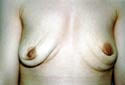
Whether you are happy or unhappy with your implants, implants will affect you forever. You may be completely satisfied with your implants, and satisfied when you have to replace them. But just keep in mind, that they don’t work out for everyone, and you may be left with breasts that are as hard as rocks or looking like a very elderly woman. Seriously think about if you want this kind of drastic change in your life, throughout your entire life. Immediate results are usually positive for girls, but it’s important to remember that this decision will be with you forever, so choose wisely.

Teens and Breast Implants

• According to the American Society of Plastic Surgeons, more than 226,170 teenagers underwent plastic surgery and cosmetic procedures in 2015. 1 Most were nonsurgical procedures such as laser hair removal and laser skin resurfacing, but breast augmentation was one of the most popular surgeries.

• Breast augmentation has become a frequently-requested high school graduation gift. How frequently is it requested, or given as a gift? Nobody really knows, since the research has not been done.

• Is it appropriate to perform cosmetic surgery on patients whose bodies are still maturing? Breast development can continue into the late teens and early twenties, so girls who think they need augmentation now might change their mind later.

• There are no epidemiological studies or clinical trials on the safety and long-term risks of breast implants and liposuction on patients under 18. So, the risks are unknown.

• Although the FDA approved silicone gel breast implants only for women ages 21 and older, and saline breast implants only for women 18 and older, there are no legal restrictions on the procedure. The American Society of Plastic Surgeons has an official position against breast augmentation for most teens under 18, but there is no enforcement. The American Society for Aesthetic Plastic Surgeons has no official position regarding augmentation for teenagers.

• Research has shown that of all age groups, teenagers are the most likely to be dissatisfied with their appearance — and that the dissatisfaction lessens with age. A long-term study conducted on both boys and girls ages 11-18 found that body image satisfaction was highest at age 18 for both boys and girls. In other words, older teens feel better about their bodies than younger teens.2 The study also found that the features participants were most dissatisfied with reflected the culturally determined stereotypes emphasized in books, mass media and advertisements.

• Breast augmentation has a very high complication rate that often requires additional surgery within five to ten years.3 , 4 For a girl of 18, that means she will probably need another surgery while she is in her 20s, her 30s, and every decade after that.

• Based on the implant makers’ own studies, the FDA concluded that about 40% of augmentation patients have at least one serious complication within three years after getting their implants. 4

• Breast pain, breast hardness, and numbness in the nipple area are common complications that may last for years, and may never go away.3

• According to studies by the National Cancer Institute and other researchers, breast augmentation patients are four times more likely to commit suicide compared to other women of the same age, including former plastic surgery patients of the same age.5 The risk of lung cancer and some other cancers also is higher for breast augmentation patients compared to similar women without implants.

• Health insurance usually will not pay for the necessary treatment or corrective surgeries for breast implant problems. Teens may not think about their future financial security, since their main concern is the immediate gratification of fixing a perceived problem with their bodies. But fixing implant problems costs thousands of dollars each time, so these financial considerations are important.

• Breast implants interfere with mammography, obscuring 55% of breast tumors, on average.6

• Breast implant surgery sometimes causes infections leading to toxic shock syndrome, amputation or death.7

• Women who have breast implants are less likely to have enough milk to be able to breastfeed, compared to women who have not had breast surgery. 8

• If a teenager changes her mind and has her implants removed a few years later, her breasts are likely to look stretched-out and saggy. 9 This is especially true for women with larger implants.